

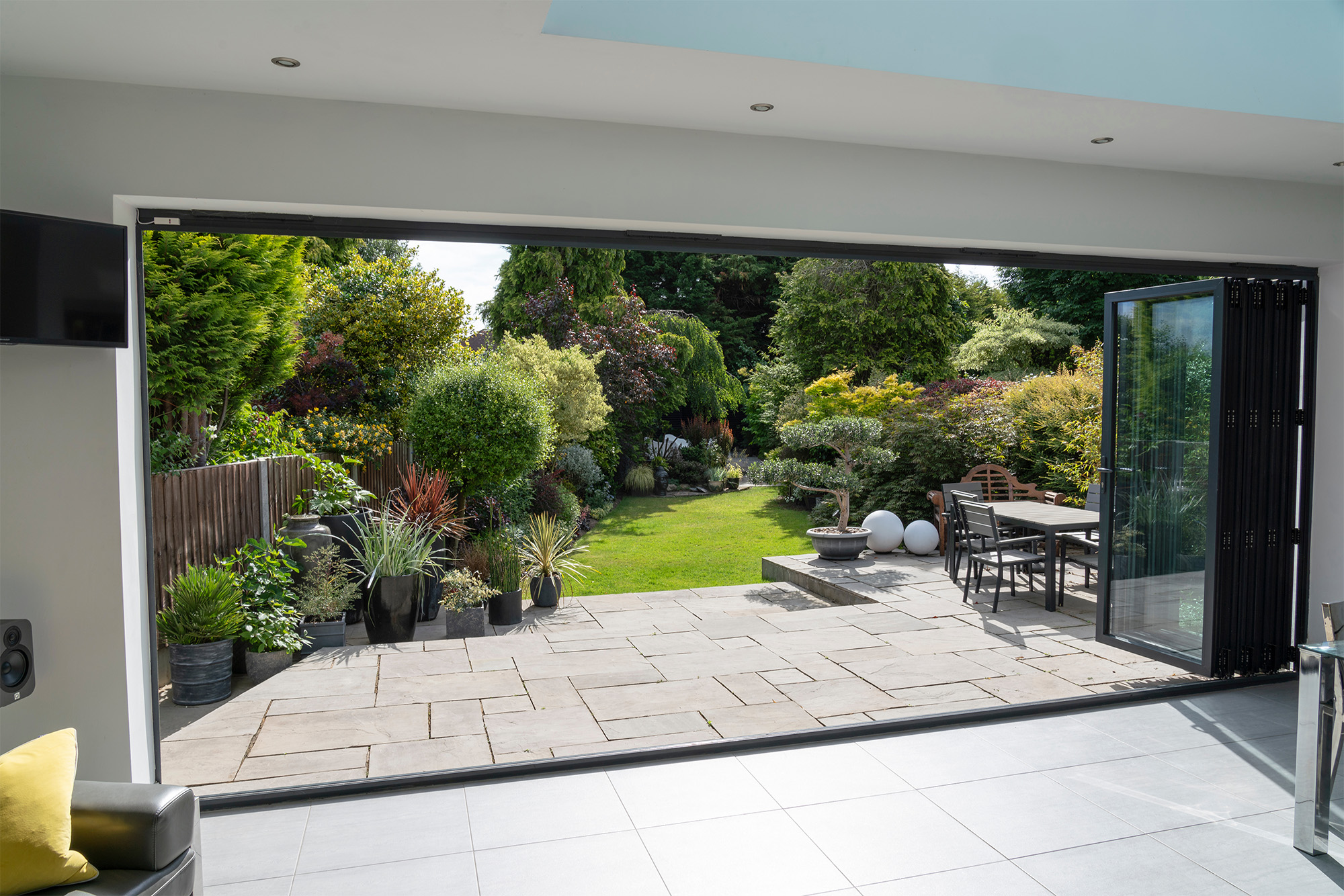
In Round Rock and the surrounding Central Texas area, an outdoor living space can become an important part of the home. Patios provide room for family meals, weekend gatherings, quiet mornings, and evenings spent with friends, yet the connection between the interior and exterior does not always feel cohesive. A living room may feature one flooring style while the patio uses a completely different material, creating a visual break at the doorway even when the two areas are used together throughout the day.
Tile can help create a more intentional relationship between these spaces by connecting colors, textures, and design details. The goal is not necessarily to install an identical product everywhere, because indoor and outdoor surfaces face different conditions. Instead, homeowners can choose materials that complement one another while meeting the performance requirements of each location. With careful planning, the transition can feel natural without compromising suitability, maintenance, or safety.
Think of the Patio as an Extension of Your Home
Outdoor living areas often function like additional rooms, particularly when they sit directly beyond a kitchen, dining area, or family room. People move between these spaces while entertaining, carrying food outside, or simply enjoying the change of scenery. When the flooring and overall design feel connected, the transition can make the home appear more cohesive and allow the patio to feel like a deliberate part of the layout rather than a separate area.
Start by considering how the spaces relate to one another. Look at the interior flooring, the color of the walls and doors, the patio furniture, and the surrounding landscaping. These elements can help determine which tile colors and textures will work best. A coordinated palette may create continuity even when different products are required for the indoor and outdoor surfaces.
Why Matching Tile Is Not Always the Best Solution
It can be tempting to choose one tile for the entire area to create an uninterrupted appearance, but indoor and outdoor applications can have very different requirements. Exterior surfaces may experience direct sunlight, rain, standing water, temperature changes, and exposure to dirt. An indoor tile that looks ideal in a living room may not be rated for these conditions or provide suitable traction when wet.
Before choosing an outdoor product, confirm that it is specifically approved for the intended application. Ask about its surface characteristics, exterior suitability, and installation requirements. You can then look for an indoor tile with a compatible color or visual style. The two surfaces do not have to be identical to create a coordinated design; their relationship can come from shared undertones, natural-looking patterns, or complementary textures.
Create a Seamless-Looking Transition at the Doorway
The doorway is where the interior and exterior design meet, so its details deserve attention early in the planning process. The transition should work with the door system, the levels of the adjoining surfaces, and the installation requirements of both flooring products. A well-planned change in material can feel deliberate, while an unexpected height difference or poorly coordinated edge can interrupt the overall design.
Color is another important part of this transition. Two neutral tiles may appear similar in isolation but look noticeably different when placed beside one another. One might have warm beige undertones, while the other leans toward cool gray. Compare samples together and consider how the colors will appear in both natural and artificial light before finalizing the selection.
Choose Exterior Tile for the Conditions It Will Face
Outdoor tile needs to suit the environment where it will be installed. A covered patio may experience different conditions from a fully exposed terrace, and an area around a pool has different requirements from a simple outdoor dining space. Direct sunlight, moisture, drainage, and regular foot traffic should all influence the product decision.
Ask whether the tile is rated for exterior use and whether its surface provides appropriate traction for the expected conditions. The installation assembly also needs to be suitable for outdoor exposure, including the substrate, drainage, setting materials, movement joints, and other details specified for the project. A suitable tile cannot compensate for poor drainage or an installation system that is not designed for the location.
Use Texture to Create a Natural Connection
Indoor-outdoor spaces often combine glass doors, metal furniture, wood accents, plants, cushions, and other materials. Tile can bring these elements together by providing a consistent visual foundation. A stone-inspired design may complement landscaping and natural textures, while a simple neutral surface can allow the furniture and greenery to provide the main visual interest.
Texture can also help establish the character of the space. A subtle surface variation may add depth without competing with the furniture, while a more distinctive pattern can become a design feature when the surrounding elements are restrained. However, texture should always be considered alongside cleaning requirements and traction. A finish that works well inside may not be the most suitable option for an exposed outdoor surface.
Plan the Space Around the Way People Move
A successful indoor-outdoor layout supports the activities that take place there. Guests may carry plates from the kitchen to the patio, children may move between the living room and yard, and family members may repeatedly step outside throughout the day. The route between the spaces should feel natural, with transitions planned to suit the doorways, furniture layout, and adjoining floor levels.
Think about where people will walk most often and whether the patio will primarily serve as a dining area, lounge space, or flexible entertaining zone. The flooring should support that use without creating unnecessary obstacles. Discuss transitions and edge details before installation begins, particularly when different products or installation systems are used on either side of the doorway.
Coordinate Tile With Patio Furniture and Landscaping
The patio floor should work with the furniture and surrounding outdoor environment rather than being selected independently. Metal dining sets, woven lounge chairs, timber tables, and upholstered seating all interact differently with tile colors and textures. A neutral floor can provide a flexible background for changing furniture and accessories, while a more distinctive tile can contribute more strongly to the character of the space.
Consider how much of the tile will remain visible once the furniture is in place. A large dining table may cover a substantial part of the floor, while a more open lounge layout may leave the surface visible from several viewpoints. Also look at the surrounding landscaping, planters, and exterior finishes. Coordinating these elements can help the patio feel connected to the home's architecture.
Make the Outdoor Area Feel Like a Finished Room
Flooring is only one part of an inviting outdoor living space. Lighting can establish a comfortable atmosphere after sunset, while planters and greenery can soften hard architectural edges. Furniture arranged around conversation or dining can give the area a clear purpose, and suitable outdoor accessories can introduce color and texture without requiring permanent design changes.
When the patio is visible through large windows or glass doors, its design also becomes part of the interior view. Choosing tile that relates to the indoor flooring and surrounding finishes can make that view feel more cohesive. The result does not need to be perfectly matched; it simply needs to feel as though the two spaces belong to the same home.
Consider Sunlight Before Selecting Your Tile
The appearance of tile can change significantly between showroom lighting and direct sunlight. A pale surface may appear warmer outdoors, while a darker tile can create a stronger contrast against light walls or furniture. Glossy finishes may reflect sunlight differently from matte or textured products, affecting how the surface looks at different times of day.
If possible, compare samples in conditions similar to those where the finished tile will be installed. Consider whether the patio is covered, shaded for part of the day, or exposed to direct sunlight for extended periods. Viewing the outdoor surface from inside the house can also help you understand how the color and pattern will affect the overall interior-outdoor design.
Choose a Surface You Can Maintain
Outdoor flooring collects dust, leaves, pollen, and other debris, while entertaining areas may also experience food and drink spills. Before selecting a tile, ask about its cleaning requirements, recommended products, and any maintenance needed for the surface or grout. These details can vary depending on the product and installation system, so it is important to follow the manufacturer's guidance rather than assume every tile can be treated in the same way.
Planning for maintenance from the beginning helps you select a finish that suits your expectations. Consider how frequently the patio will be used, how exposed it is to outdoor debris, and whether the surface will be easy to clean with the products and equipment you already use. A well-chosen material should support the way you want to use the space without creating unnecessary upkeep.
Coordinate the Design Without Compromising Performance
Using one product throughout an indoor-outdoor area can sometimes work, but only when it is suitable for every intended location and the installation requirements can be met. In other projects, coordinated products are a better choice because each surface can be selected for its own conditions. The indoor tile can support the appearance and everyday needs of the living space, while the exterior product provides the characteristics required outdoors.
This approach allows you to create visual continuity without treating the two environments as identical. Shared colors, related textures, and complementary patterns can provide the connection, while the product specifications determine where each material should be used. Discuss these details before ordering tile so that the design and installation plan work together from the beginning.
Create a More Connected Home With Tile
An indoor-outdoor living area should feel like a natural extension of the home, with materials that complement one another while performing appropriately in their intended locations. Tile provides a wide range of design possibilities, from understated stone-inspired finishes to contemporary surfaces that make a stronger statement. With careful selection and suitable installation planning, it can help create a transition that feels welcoming, coordinated, and practical for everyday use.
Explore the tile collection at Bellus Flooring to compare options for your interior and outdoor-inspired design project. If you are planning an update in Round Rock, contact Bellus Flooring to discuss your preferred style, the areas you want to renovate, and the product requirements that will help you make the right choice.


