

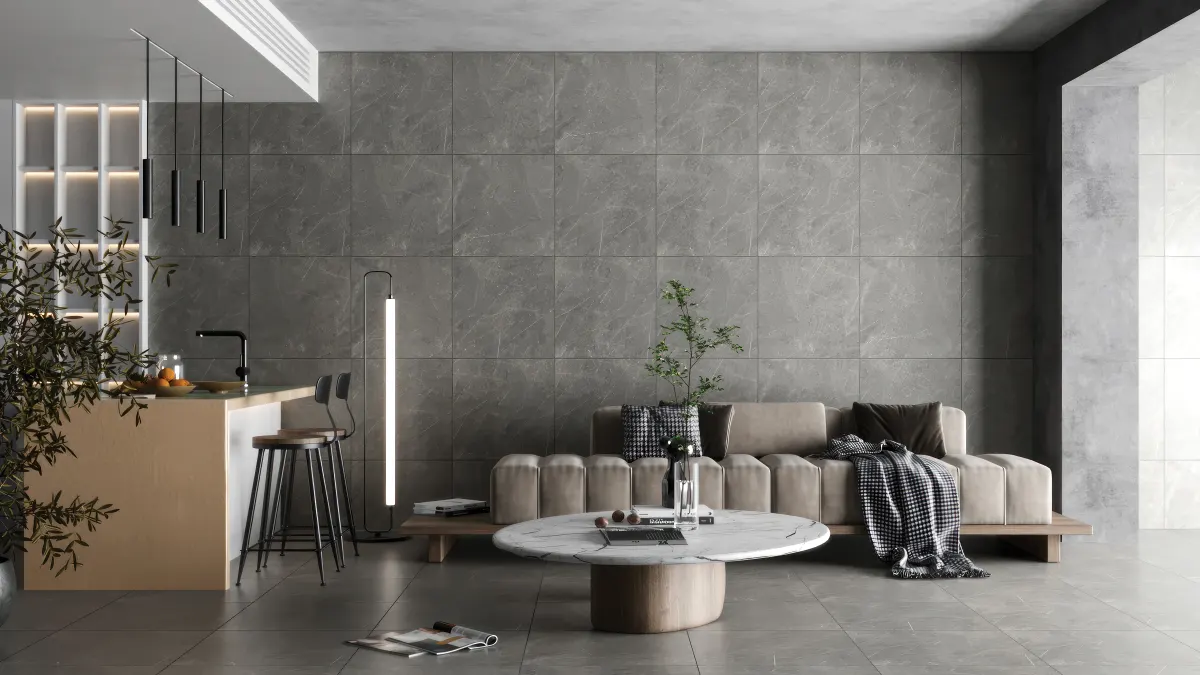
When homeowners begin shopping for tile flooring, one feature often surprises them: tile edge type. Rectified vs. non-rectified tile may sound like a small detail, but it plays a major role in the final look, grout lines, installation process, and long-term maintenance of your floors. As part of our tile flooring buyer's guide, we always walk customers through these differences because the edge you choose directly affects your design results and long-term satisfaction.
If you've been searching for tile flooring near me and comparing different styles, understanding rectified tile will help you make a smarter, more confident buying decision.
What Is Rectified Tile?
Rectified tile is manufactured and then mechanically trimmed or "cut down" so that every tile has extremely precise, uniform edges. These edges are sharp, exact, and perfectly square.
The benefit? Rectified tile allows for smaller grout lines, cleaner transitions, and a sleek, modern appearance.
Why It Matters
Creates tight grout joints for a seamless look
Ideal for contemporary or high-end designs
Works well with large-format tiles
Reduces visual "lippage," or uneven tile edges
Rectified tile is the preferred choice for homeowners wanting a crisp, luxury finish in spaces like living rooms, kitchens, or spa-style bathrooms.
What About Non-Rectified Tile?
Non-rectified tile has more natural, slightly rounded edges. These tiles are not trimmed after manufacturing, which means each piece may vary slightly in size.
Why Homeowners Choose Non-Rectified Tile
Better for rustic, traditional, or natural-looking designs
Slight size variations create a softer, more organic feel
Wider grout joints help disguise subfloor imperfections
This style is perfect for homeowners who love Mediterranean-inspired designs, stone looks, or a warm, handcrafted aesthetic.
Which Option Is More Durable?
Both rectified and non-rectified tiles are equally durable — the differences lie in appearance and installation requirements, not product strength. What truly impacts durability is the tile's material (usually porcelain or ceramic) and the installer's expertise.
As professional tile flooring installers, we always focus on the installation details that matter most: proper leveling, underlayment choice, and surface preparation. These factors extend your tile's lifespan far more than edge type alone.
How Grout Lines Impact the Final Look
Your tile edge determines your grout line width. That choice dramatically changes the look of your floor.
Rectified Tile Grout Lines
Typically 1/16 inch or less
Clean, continuous appearance
Enhances modern and minimalist designs
Non-Rectified Tile Grout Lines
Wider joints, usually 1/8 inch or more
Adds warmth and dimension
Helps mask tile size variations
Grout color also plays a role. With rectified tile, most homeowners prefer matching grout for a seamless flow. With non-rectified tile, contrasting grout can highlight texture and shape.
Installation Differences You Should Know
Rectified tile requires greater installation precision, which can affect both time and labor cost. In our tile flooring installation cost guide, we highlight the following differences:
Rectified tile requires a perfectly level subfloor because tight grout lines leave no room for flaws.
Non-rectified tile is more forgiving, making it better for older homes or uneven surfaces.
Large-format rectified tiles often need additional tools and spacing systems to prevent lippage.
For these reasons, homeowners comparing Round Rock, TX remodeling company prices may notice slight increases for rectified tile installation. It's a worthwhile investment if you want a refined, luxury finish.
Which Tile Type Fits Your Home?
In our tile flooring buying guide, we help homeowners choose based on style preference, room size, and lifestyle. Here's a quick breakdown:
Choose Rectified Tile If You Want…
A sleek, modern, or minimalist look
Very thin grout lines
Large-format tiles
A seamless flow from room to room
Choose Non-Rectified Tile If You Want…
A natural, rustic, or traditional design
Softer edges and more character
Wider grout lines that add texture
A more forgiving installation process
Both can be stunning-the key is matching your home's style and your long-term expectations.
Make a Confident Choice With Professional Guidance
If you've been browsing tile flooring near me and feeling unsure which option is right, our team is here to help. We walk you through samples, performance expectations, and installation considerations so you can choose the look and lifespan that works best for your space.
As a trusted flooring company near me, we make sure every homeowner understands their options before buying. From product comparisons to installation planning, we guide you with clarity and transparency.
At Bellus Flooring, we proudly serve homeowners in Round Rock, Texas.


