

Playing it safe with flooring is comfortable, but comfortable rarely turns heads. If you've ever scrolled through stunning home renovations and wondered how designers create those captivating floors that feel like works of art, the secret often lies in one bold move: mixing tile patterns. It's a design strategy that transforms ordinary rooms into extraordinary spaces, and it's more accessible than you might think.
Mixing tile patterns isn't about randomly throwing different styles together and hoping for the best. It's a deliberate craft that balances contrast with cohesion. When done thoughtfully, patterned tile floors create visual depth, define spaces within open floor plans, and inject personality into every square foot of your home.
Start with the concept of a primary and secondary pattern. Choose one dominant tile design that covers the majority of your floor space. This becomes your visual anchor. Then introduce a secondary pattern as an accent, perhaps as a border, a centerpiece medallion, or a transitional strip between rooms. This layered approach creates interest without overwhelming the eye.
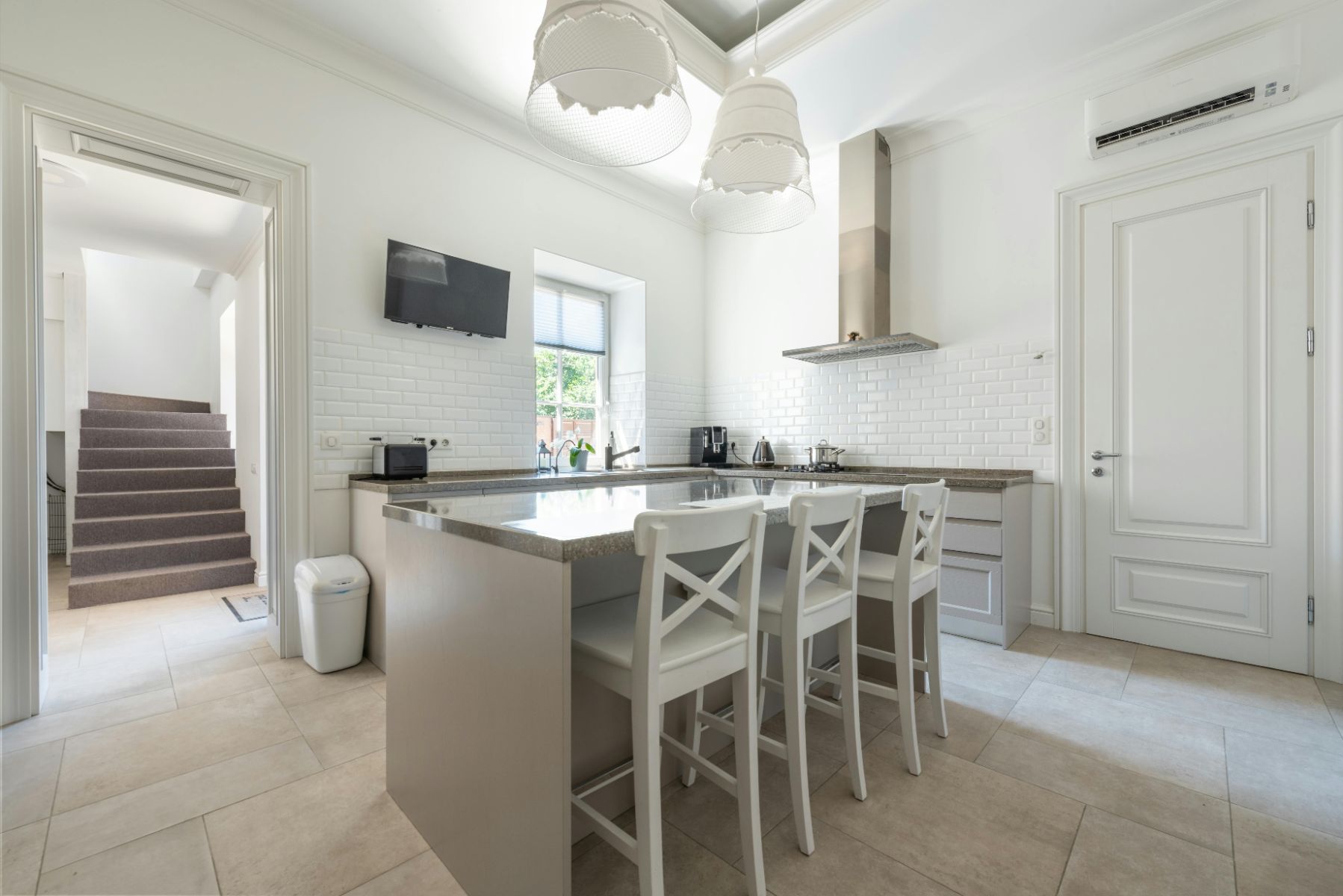
Scale plays a critical role in successful pattern mixing. Pairing large-format tiles with smaller mosaic accents creates a dynamic contrast that feels intentional and sophisticated. Imagine oversized porcelain tiles in a warm cream tone covering your kitchen floor, bordered by a slim band of intricate geometric mosaic in complementary earth tones. The effect is striking yet harmonious.
Color is your greatest ally and your biggest potential pitfall. The safest approach for beginners is to keep your mixed patterns within the same color family. Varying shades of gray, for instance, allow you to combine a sleek concrete-look tile with a patterned encaustic-style accent without creating visual chaos. As your confidence grows, you can experiment with bolder contrasts—deep navy patterns against crisp white fields or terracotta accents alongside sandy neutrals.
Texture mixing adds another dimension entirely. Combining polished and matte finishes within the same space creates subtle visual variety that catches light differently throughout the day. A honed stone-look tile paired with a glossy patterned accent adds richness that single-texture floors simply cannot achieve.
One of the most popular applications in Round Rock homes right now is using patterned tile to define entryways. Since the foyer sets the tone for your entire home, a bold tile pattern in the entry creates a memorable first impression while transitioning into simpler flooring throughout the main living areas. It's a designer trick that adds tremendous impact without requiring a massive investment.
Bathroom floors are another perfect canvas for pattern experimentation. The smaller square footage means less material cost and less visual risk. A beautifully mixed tile pattern in a master bathroom can transform it from a functional space into a personal retreat that rivals luxury hotel design.
Don't overlook the power of laying direction either. Herringbone, chevron, basket weave, and diagonal installations all change the perception of the same tile dramatically. Sometimes mixing patterns is as simple as using one tile in two different layouts within the same room.
At Bellus Flooring, we bring these design possibilities to life for homeowners across Round Rock and neighboring communities. Our showroom features an extensive tile collection, and our knowledgeable team loves helping clients push creative boundaries with confidence. Stop by Bellus Flooring and let us help you design a tile floor that tells your unique story.


