

Walking into a beautifully designed space and feeling that immediate sense of wonder — that moment where your eyes are drawn to the floor and you think, "How did they do that?" — is one of the most rewarding experiences in home design. And here's a secret that professional interior designers have known for years: the magic often starts with how tile patterns are mixed, layered, and arranged. The best news? You don't need to hire a designer to achieve that jaw-dropping effect. You just need a little knowledge, some creative courage, and the right tile selection.
Mixing tile patterns is an art form that has been practiced for centuries, from the intricate mosaics of ancient Rome to the geometric masterpieces found in Moroccan riads. Today, this art is accessible to every homeowner who's willing to think beyond the standard grid layout.
Start With a Story
Every great tile design tells a story. Before selecting patterns, ask yourself what feeling you want the room to evoke. A spa-like bathroom retreat might call for soft, organic shapes paired with large-format tiles in calming neutrals. A vibrant kitchen backsplash might demand bold geometric patterns mixed with hand-painted accent tiles. The story guides every decision that follows.
The Rule of Three
Professional designers often work with three elements: a dominant tile, a secondary tile, and an accent. Your dominant tile covers the largest area and sets the overall tone. The secondary tile introduces contrast — perhaps a different shape or shade. The accent tile is your statement piece, the unexpected pop that draws attention and creates visual intrigue.
Scale Creates Drama
One of the most effective mixing techniques involves playing with scale. Pairing large-format rectangular tiles with small mosaic borders creates dynamic visual tension. A sweeping expanse of 24x24 porcelain tile on your floor, framed by a delicate penny-round mosaic border, transforms an ordinary room into an extraordinary space.
Texture Over Color
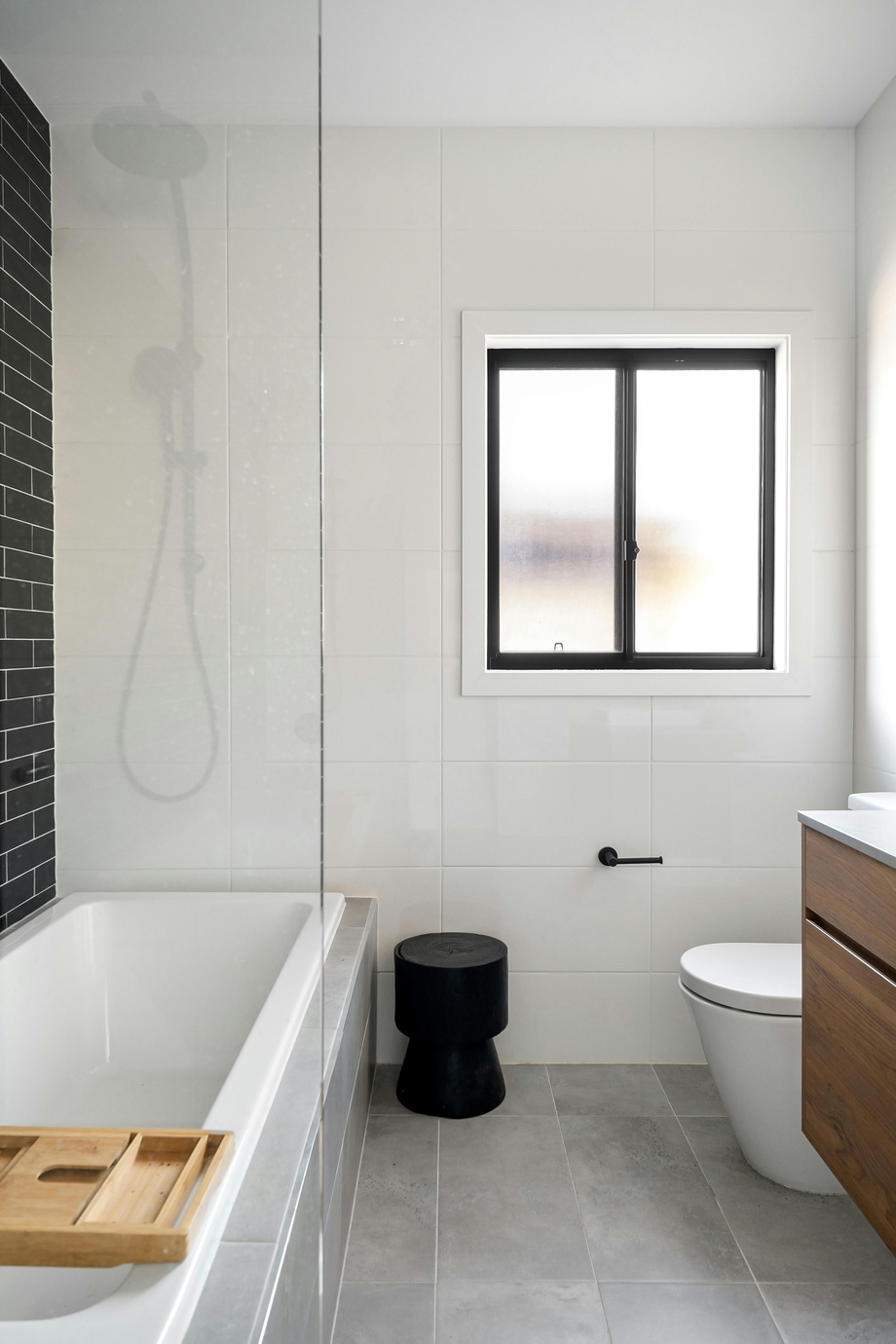
When you're nervous about mixing patterns, lean into texture rather than contrasting colors. Combining a matte-finish tile with a glossy version in the same color family adds sophisticated dimension without visual chaos. This approach is particularly effective in bathrooms, where light plays off different surfaces throughout the day.
Transition Zones Are Opportunities
Where your kitchen meets your living area, where hallways open into bedrooms — these transition zones are opportunities to introduce pattern changes that define spaces naturally. A herringbone pattern flowing into a straight-lay pattern can subtly signal the shift from one living area to another.
Grout Matters More Than You Think
Your grout color and width dramatically affect how mixed patterns read in a space. Contrasting grout highlights individual tiles and emphasizes geometric patterns. Matching grout creates seamless flow and makes mixed layouts feel unified rather than busy.
Bellus Flooring in Round Rock, Texas, carries an extraordinary selection of tile styles, shapes, textures, and finishes that make pattern mixing an exciting creative journey. Whether you're reimagining a single bathroom or designing tile layouts for your entire home, our team serves homeowners throughout Round Rock and the surrounding Central Texas communities with expert guidance and an inspiring showroom experience. Come explore the possibilities and discover your inner designer — your dream floor is closer than you think.


