

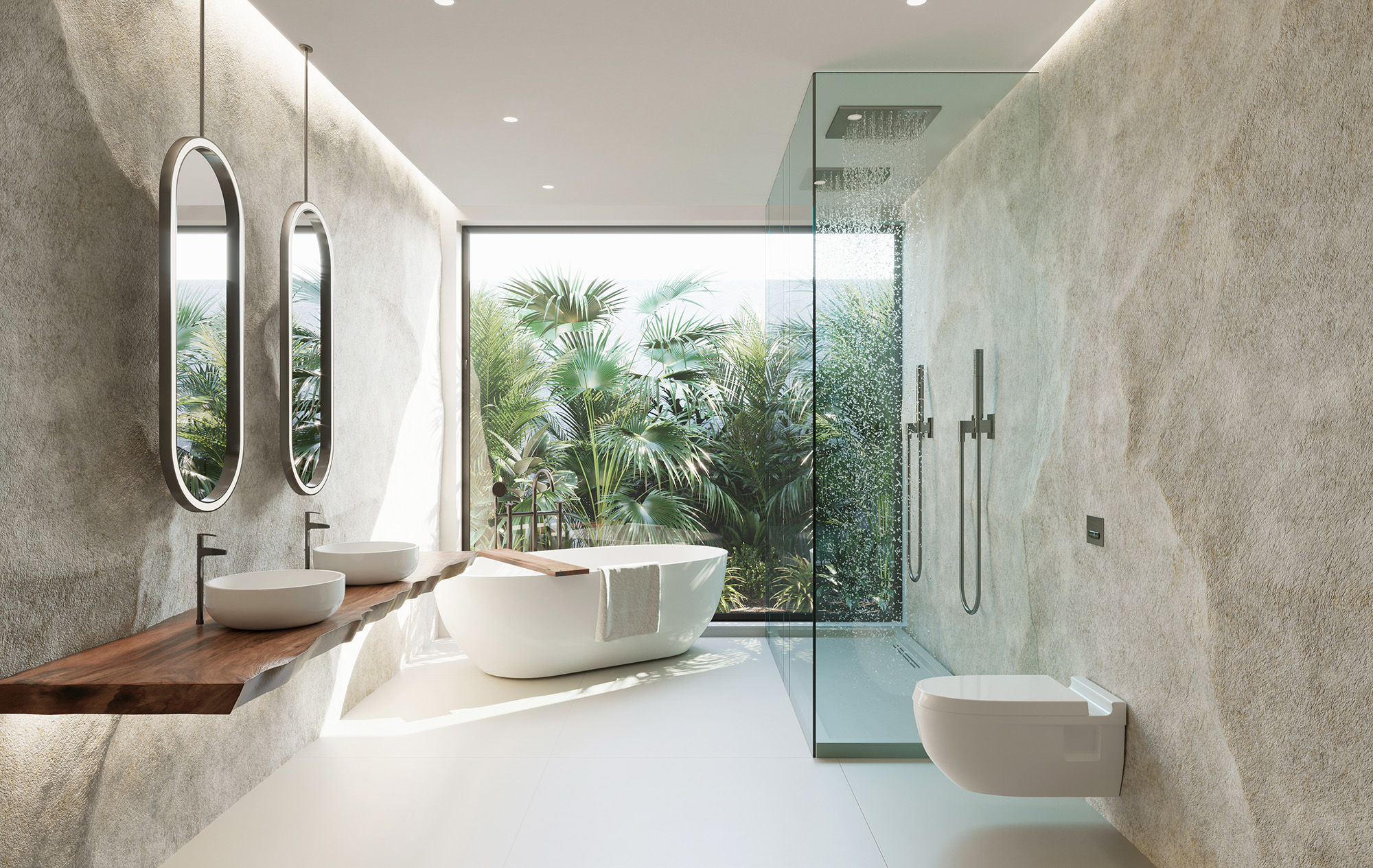
A bathroom can be one of the most frequently used rooms in a home and still feel like an afterthought in the overall design. It serves a practical purpose every day, yet the right combination of surfaces, colors, lighting, and finishes can turn it into a space that feels calm and carefully considered. Whether you are refreshing a compact guest bathroom or planning a more substantial primary bathroom renovation, tile can provide the foundation for a room that feels comfortable without sacrificing practicality.
For homeowners in Round Rock, Texas, a spa-inspired bathroom does not have to mean an oversized room or an elaborate renovation. The atmosphere can come from simple design choices, including a coordinated tile palette, balanced textures, thoughtful lighting, and surfaces selected for their intended use. By considering the overall room before choosing individual tiles, you can create a bathroom that looks cohesive and is designed to handle everyday moisture and cleaning.
Build the Design Around the Atmosphere You Want
Before comparing tile sizes and finishes, consider how you want the finished bathroom to feel. Some homeowners prefer a bright, uncluttered environment with light surfaces and simple fixtures, while others favor warmer tones, natural textures, and a more grounded atmosphere. Neither direction requires a specific design trend; the most important consideration is how the materials work together and whether the room feels right for your home.
A light stone-inspired tile can provide a quiet foundation for warm wood cabinetry and understated hardware. Earthy neutrals can introduce warmth without making the room feel visually heavy, while a more distinctive tile can create a focal point when the remaining surfaces are kept simple. Establishing a clear direction early makes it easier to select products that complement the vanity, mirrors, fixtures, wall colors, and lighting.
Why Tile Works So Well in Bathroom Design
Tile offers a broad range of colors, patterns, textures, and formats, allowing homeowners to coordinate the floor with shower walls, backsplashes, and other surfaces. Ceramic and porcelain options can support different design styles, from understated contemporary bathrooms to interiors inspired by natural stone. Their cleanable surfaces also make them common choices for rooms where water is part of everyday use.
However, a tiled surface should never be treated as the entire waterproofing system. In showers and other wet areas, successful moisture management depends on the substrate, waterproofing membrane or system, setting materials, joints, drainage, and correct installation. Selecting attractive tile is only one part of the process; the complete assembly must be suitable for the location and installed according to the applicable product requirements.
Create a Calm, Continuous Look With Large-Format Tile
Large-format tile can help create a more continuous visual appearance because fewer individual tiles may be needed across a given area. This can be especially appealing in a bathroom where the design relies on simplicity, restrained colors, and minimal visual interruption. A stone-inspired pattern can create the impression of a broader natural surface, while a neutral tile can allow the vanity, lighting, and fixtures to become the main design features.
The size of the tile should still be appropriate for the room and the installation conditions. Large-format products require a suitable substrate, careful surface preparation, and installation methods that meet the manufacturer's requirements. Shower floors and areas that need to slope toward a drain may require a different format or layout, so the same tile should not automatically be used everywhere simply for the sake of visual consistency.
Bring Natural Textures Into the Room
Natural-inspired interiors can make a bathroom feel grounded and relaxing without requiring every surface to be made from natural materials. Stone-look tile can introduce visual variation, while subtle texture can add depth to a wall or floor. When paired with wood cabinetry, warm lighting, and simple hardware, these finishes can create a balanced interior that feels connected to the natural world.
The key is to avoid introducing too many competing patterns. If the floor has prominent veining or variation, a quieter wall tile may create a more harmonious result. If the main surfaces are relatively simple, a feature wall or more distinctive tile can provide personality. Reviewing the products together before making a final decision helps ensure that their undertones and textures complement rather than compete with one another.
Choose the Right Finish for Each Surface
Tile finishes affect both the appearance and everyday use of a bathroom. Glossy surfaces can reflect light and create a polished look, particularly on walls, while matte finishes tend to produce a softer appearance with less glare. Textured finishes can add tactile interest, but their suitability depends on the specific product, the room, and the level of moisture exposure.
For floors that may become wet, appearance should not be the only consideration. Ask about the tile's slip-resistance characteristics and whether it is appropriate for the intended location. A product designed for a wall may not be suitable for a shower floor, and a finish that looks attractive in a dry showroom may behave differently in everyday conditions. Cleaning requirements should also be considered, as some textured surfaces may need more attention to remove residue.
Use Color to Create Depth Without Overwhelming the Space
A spa-inspired bathroom does not have to be completely neutral, but its colors should work together. Warm beige, muted gray, soft brown, and subdued green can create different atmospheres depending on the lighting and surrounding materials. A darker floor can provide contrast beneath a lighter vanity, while a consistent color palette can make a compact room feel less visually busy.
Before committing to a color, compare samples beside the actual cabinetry, wall paint, and fixtures whenever possible. Tile undertones can become more obvious when different materials sit next to one another, and the lighting in the bathroom can change how the final combination appears. A sample that looks balanced under showroom lighting may appear warmer or cooler under the light used in your home.
Give Grout the Attention It Deserves
Grout can influence the overall appearance of a tiled bathroom more than many homeowners expect. A color close to the tile can create a continuous surface, while a contrasting shade emphasizes the individual shapes and layout. The right choice depends on whether you want the tile pattern to stand out or prefer a quieter, more unified look.
Grout selection also needs to account for the installation requirements and maintenance preferences of the household. Ask which grout type is appropriate for the product and location, whether sealing is required, and which cleaning methods are recommended. In showers and other wet areas, remember that grout alone does not provide the waterproofing system; correct waterproofing and installation details remain essential.
Make a Small Bathroom Feel Thoughtfully Designed
A compact bathroom can still feel polished when its materials are selected with care. A coordinated palette, restrained surface variation, and consistent design details can reduce visual clutter and make the room feel more intentional. Mirrors, lighting, and storage also influence the result, so tile should be considered alongside the other elements rather than treated as an isolated decision.
Large-format tile may work in some smaller rooms, but the layout must account for cuts, edges, fixtures, and drainage. Smaller formats can be more practical in areas that require a particular slope or more detailed layout. Instead of following a general rule about tile size, consider the proportions of your actual bathroom and how the chosen material will be installed.
Choose Materials You Can Maintain Comfortably
A beautiful bathroom should also be practical to clean. Before selecting tile, ask about the recommended cleaning products, maintenance requirements, and any special care needed for the surface or grout. Some finishes may show water marks more readily than others, while textured surfaces may require a different cleaning approach. Choosing a product that fits your maintenance preferences can make it easier to preserve the appearance of the finished room.
Proper ventilation is equally important because bathrooms regularly experience changes in humidity. Tile may be suitable for wet environments, but it does not remove the need for ventilation and sound moisture management throughout the room. Considering these details during the design stage helps create a bathroom that is both attractive and practical over time.
Bring the Entire Bathroom Together
The feeling of a spa-inspired bathroom comes from the relationship between its elements. Tile provides the visual foundation, while lighting, cabinetry, mirrors, hardware, and textiles complete the space. A restrained tile palette can allow a distinctive vanity or fixture to stand out, while a more expressive tile can become the main feature when the surrounding materials remain understated.
Explore the tile collection at Bellus Flooring to compare designs, formats, and finishes for your bathroom renovation. If you are planning a bathroom update in Round Rock, contact Bellus Flooring to discuss your design goals and identify tile options that suit your space and intended application.


