

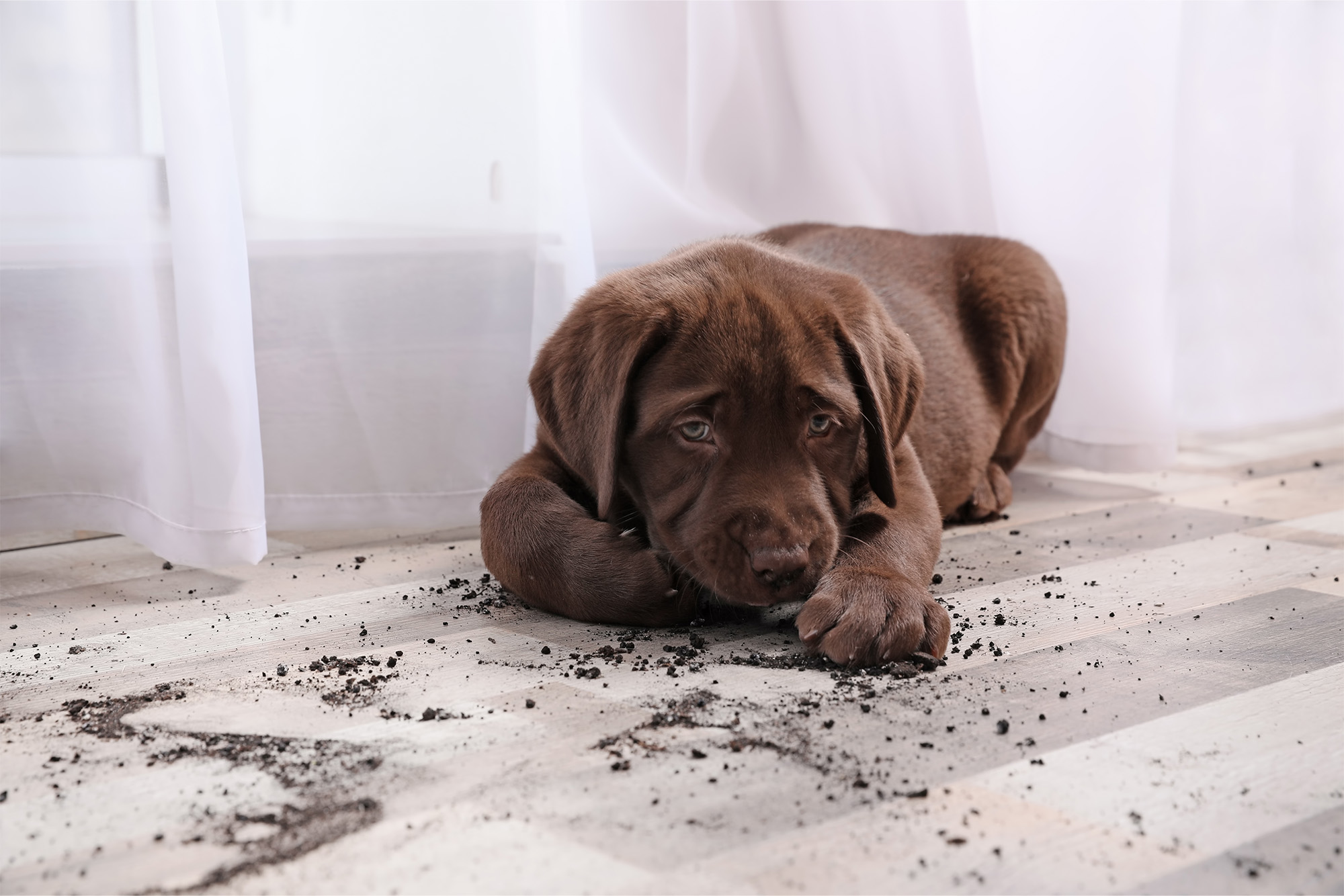
Sharing your home with pets means accepting a little unpredictability. A dog may rush inside after playing in the yard, a water bowl may spill across the kitchen floor, or an excited pet may race from one room to another just as guests arrive. These moments are part of everyday life, but they can also influence how well your flooring performs over time. For homeowners in Round Rock, Texas, choosing a suitable floor means finding a balance between the appearance of the home, the needs of its animals, and the practical demands of daily use.
Waterproof flooring can be worth considering for households where spills, damp paws, and frequent cleaning are common. However, the best pet-friendly flooring decision involves more than moisture resistance. Surface texture, scratch resistance, comfort, cleaning requirements, and the way each room is used should all be part of the selection process. By understanding these differences before purchasing, homeowners can make a more informed decision and create a home that feels comfortable for every member of the household.
Start With the Way Your Pets Use Your Home
Every household has its own routine, and the flooring needs of a home with a small indoor cat may differ from those of a home with several energetic dogs. Some pets spend most of their time resting near their owners, while others move frequently between the yard, kitchen, living room, and bedrooms. Older animals may also need more secure footing than younger pets that move confidently across smooth surfaces.
Before comparing flooring products, identify the areas that experience the most activity. The back door may be exposed to damp paws and outdoor debris, while the kitchen feeding station may experience repeated water spills. A favorite resting area may benefit from a soft rug, and a busy hallway may need a surface that is easy to clean. Understanding these patterns helps you prioritize the features that matter most rather than selecting a product based on a general label.
Understand the Difference Between Waterproof and Scratch-Resistant
Waterproof performance and scratch resistance are separate characteristics, and neither should automatically be assumed from the other. A flooring product may be designed to resist water exposure but still require care to prevent scratches from claws, furniture, toys, or abrasive dirt. Likewise, a surface that performs well against everyday wear may not be suitable for rooms where moisture exposure is a regular concern.
Ask about both characteristics when comparing options. Review the manufacturer's specifications, recommended uses, and maintenance requirements, and pay attention to any restrictions that could affect your household. The right product should match the actual conditions in your home, including how frequently pets move across the floor and whether they are likely to track dirt or moisture inside.
Make the Back Door Easier to Manage
For many pet owners, the back door becomes one of the busiest points in the house. Dogs may go outside several times a day, while family members repeatedly move between the yard and the living areas. Each trip can introduce dirt, grit, or moisture, particularly after outdoor play or when the ground is damp. A suitable flooring surface can help make this area easier to maintain, but it should be paired with a practical system for managing what comes inside.
Place a mat near the door to catch loose debris, and consider keeping a towel or pet-wiping supplies nearby. If space allows, a small station for leashes, towels, and other essentials can prevent the entrance from becoming cluttered. The mat should be compatible with the flooring beneath it, and it should be lifted periodically so the surface can be cleaned and dried. These simple measures can reduce the amount of dirt and moisture that reaches the rest of the home.
Choose Flooring With Traction in Mind
Pets do not always move in straight lines. Dogs turn quickly when chasing toys, cats jump between surfaces, and older animals may have difficulty standing on particularly slick flooring. For that reason, traction deserves attention alongside waterproof performance when selecting a floor for a pet-friendly home. A surface that is attractive and easy to clean may not be the best choice if it makes movement uncomfortable for the animals using it.
Ask about the texture and intended application of each product, and consider your pet's age, size, and mobility. Rugs can provide softer resting places or additional grip in selected areas, but they should be secured appropriately and use a backing or rug pad compatible with the flooring. Check beneath them regularly to ensure moisture and dirt are not being trapped.
Make Feeding Stations Easier to Clean
Food and water stations are small spaces with surprisingly demanding flooring requirements. Water can splash from bowls, food can fall onto the surface, and pets may move their dishes while eating. Repeated exposure can leave residue and make the surrounding floor harder to maintain, especially when spills are not cleaned promptly.
A washable feeding mat can help contain everyday mess, provided it is suitable for the flooring beneath it. Lift the mat regularly, wipe the floor, and allow the area to dry before putting everything back in place. When planning a new floor, consider how the feeding area connects to the kitchen or utility room and whether the selected product is appropriate for that location.
Look for a Finish That Suits Your Household
The appearance of the flooring can affect how noticeable everyday wear becomes. Some designs feature natural-looking variation that can help small marks blend into the overall pattern, while other surfaces have a more uniform appearance. Color alone does not determine durability, so it is important to evaluate the product's specifications rather than assuming that a particular shade will automatically hide scratches or dirt.
Bring samples into the rooms where you intend to install the flooring, and view them alongside your furniture, wall colors, and cabinetry. A coordinated design can make the home feel cohesive while allowing the floor to suit the practical demands of the household. If pets spend most of their time in shared living areas, consider the overall room design rather than choosing the flooring in isolation.
Keep Claws, Furniture, and Grit Under Control
Even flooring designed for everyday use can be affected by repeated abrasion. Small particles of grit carried inside on paws may move across the surface and contribute to wear, while heavy furniture can create marks if it is dragged instead of lifted. Regular sweeping or vacuuming helps remove debris before it becomes a persistent problem, and protective pads beneath furniture can reduce the risk of scratches.
Maintaining your pet's nails appropriately can also help reduce surface damage, although the level of protection depends on the animal and the flooring material. Follow the manufacturer's instructions for cleaning and furniture protection, and avoid using abrasive tools or harsh products that could affect the finish. These habits are useful regardless of the flooring type and can help preserve the appearance of a newly renovated room.
Waterproof Flooring Still Needs Prompt Cleanup
A waterproof product can provide valuable protection under the conditions specified by its manufacturer, but it should not be treated as permission to leave liquid standing on the floor. Water may reach edges, seams, or the underlying structure if it remains for too long or if the installation is unsuitable for the exposure. Pet accidents should therefore be cleaned promptly, and the area should be treated using products approved for the flooring.
If accidents occur repeatedly in one location, consider whether the room setup or your pet's routine needs to change. A different feeding station, an additional mat, or a more convenient outdoor routine may help reduce repeated exposure. Flooring is an important part of a pet-friendly home, but it works best alongside practical habits that keep the environment clean and comfortable.
Choose a Floor That Works With Your Interior Design
Pet-friendly flooring does not have to make a home look purely functional. Modern flooring designs offer a range of appearances that can complement traditional, contemporary, and transitional interiors. Natural-looking finishes can create warmth, while understated patterns can provide a calm foundation for furniture, rugs, and decorative details. The goal is to find a surface that supports the way the household lives without compromising the look you want to achieve.
Think about how the floor will look across connected rooms, where area rugs may be placed, and how the selected finish will work with existing furnishings. A consistent design can help the home feel more connected, while different products can be used in separate zones when the performance requirements call for it. Reviewing the whole layout before making a final choice can help prevent mismatched transitions and unnecessary compromises.
Create a Home That Welcomes Every Member of the Family
A pet-friendly home is one where the flooring, furniture, and daily routines work together to support the people and animals who live there. Waterproof flooring can be a useful option for areas where moisture and spills are part of everyday life, but its suitability depends on the specific product, the room, and the installation. By considering traction, scratch resistance, cleaning requirements, and design together, you can choose a floor that fits your household more effectively.
Explore the waterproof flooring selection at Bellus Flooring to compare options for your pet-friendly home. If you are planning a flooring update in Round Rock, contact Bellus Flooring to discuss your rooms, your pets' habits, and the flooring features that matter most to your household.


