

Tile is often treated as a practical flooring material, but that description does not capture just how much influence it can have on the personality of a room. The right tile can make a space feel larger, warmer, more dramatic, more refined, or more connected to the architecture of the home. It can quietly support the rest of the design or become the feature everyone notices first. For homeowners in Round Rock, tile also offers the advantage of versatility, making it suitable for rooms where everyday performance matters while still providing an enormous range of design possibilities. From kitchens and bathrooms to entryways and living spaces, tile can be adapted to different styles and applications. The challenge is not finding tile; it is understanding how color, scale, texture, shape, pattern, and layout work together to create the effect you actually want.
Tile Is More Than a Surface
When homeowners walk into a flooring showroom, it is easy to look at tile as a collection of individual squares or planks. Once installed, however, those individual pieces become part of a much larger visual composition. The grout lines create rhythm, the layout affects how the eye moves across the room, and the size and shape of the tile can influence the perceived proportions of the space. A large-format tile can create a cleaner, more expansive appearance, while smaller tiles can introduce detail and visual texture. Patterned tile can create an immediate focal point, while a subtle neutral tile can allow cabinetry, furniture, lighting, or artwork to take center stage. Thinking about tile as part of the architecture rather than simply as a floor covering can lead to much more successful design decisions.
Large-Format Tile Can Make a Room Feel Different
Tile size can have a surprisingly strong effect on how a room feels. Larger tiles can create a sense of openness because there are fewer grout lines interrupting the visual field, which can be particularly appealing in contemporary interiors. They can also produce a cleaner, more streamlined appearance that allows the flooring to support rather than compete with the room's other features. This does not mean large-format tile is automatically better. Smaller formats can create beautiful patterns and add character in spaces where homeowners want more detail. The important thing is to consider the scale of the room, the surrounding finishes, and the atmosphere you want to create rather than choosing a tile size simply because it is currently popular.
The Kitchen Floor Can Set the Tone
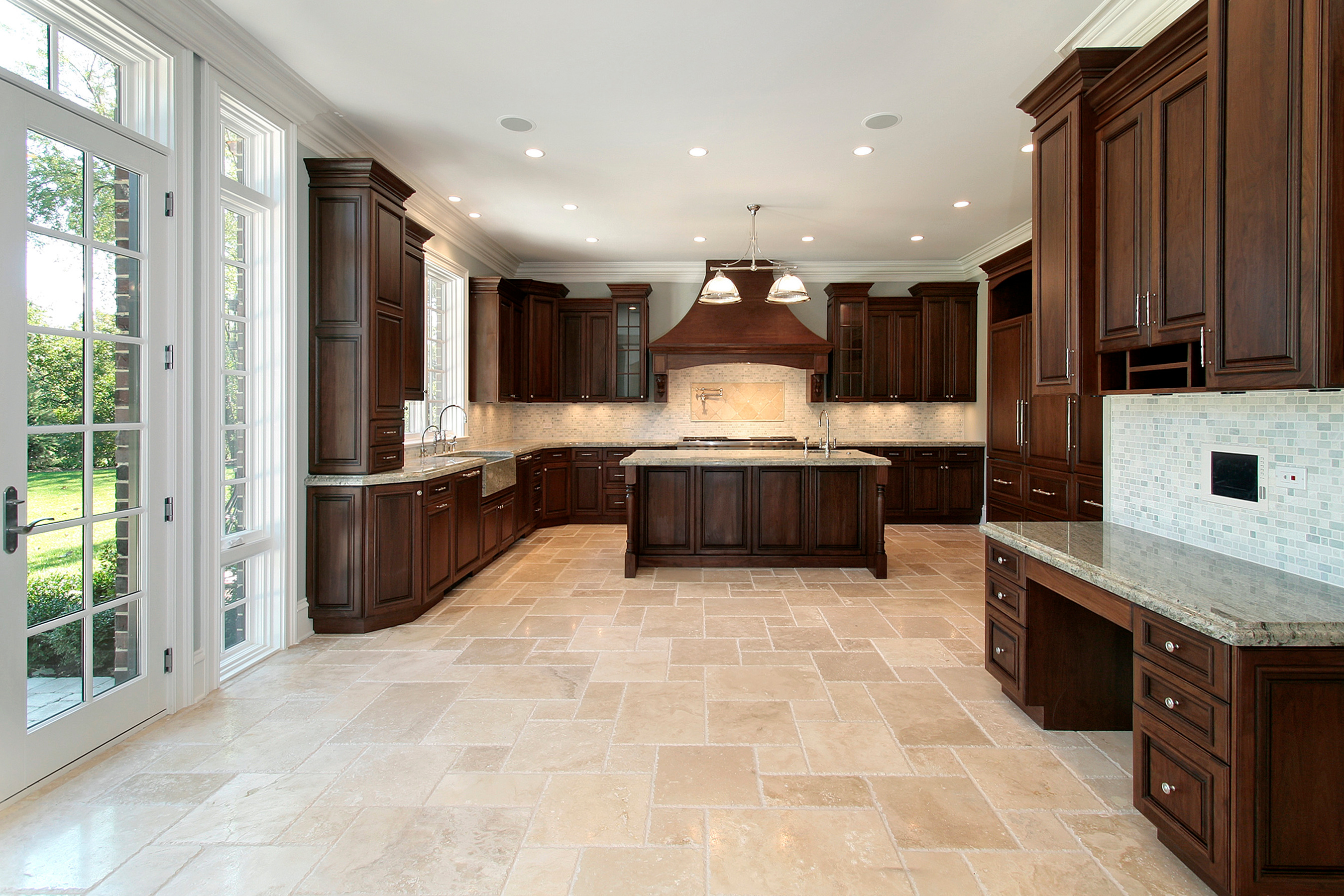
The kitchen is one of the best places to see how tile can combine design and practicality. Because kitchens often connect with dining and living areas, the flooring has the opportunity to influence a large portion of the home's visual identity. A neutral tile can create a calm foundation for colorful cabinetry or dramatic countertops, while a patterned tile can provide a focal point in a more understated kitchen. Stone-inspired designs can bring an earthy quality to the room, while cleaner contemporary styles can make the space feel modern and streamlined. Since the kitchen is also a high-activity area, selecting a flooring material suited to the demands of everyday use is just as important as choosing the appearance.
Bathrooms Give Tile Room to Be Creative
Bathrooms provide an opportunity to be more adventurous because the space is usually smaller and more contained than an open living area. A homeowner who might hesitate to use a bold pattern throughout the main floor may feel more comfortable introducing that pattern in a bathroom. Tile can create visual interest through geometric shapes, subtle variations, contrasting tones, or carefully planned layouts. It can also coordinate the floor with other surfaces in the room, helping the shower, walls, vanity area, and floor feel like parts of one design. Because moisture is an inherent part of the bathroom environment, tile is also a natural material to consider when practical performance is an important priority.
Neutral Does Not Mean Predictable
Neutral tile is sometimes dismissed as boring, but a neutral floor can actually provide one of the most sophisticated foundations for an interior. The secret is using variation in texture, size, pattern, or subtle tonal differences rather than relying on color alone to create interest. A warm neutral can make a room feel inviting, while a cooler gray can create a more contemporary atmosphere. Stone-inspired tile can introduce natural variation without overwhelming the rest of the design. Neutral flooring is especially useful when homeowners want the freedom to change furniture, paint, or decorative accents over time without having to replace the floor every time the room's style evolves.
Patterns Can Become the Room's Signature
Patterned tile has the ability to transform flooring from a background element into a defining feature. Geometric patterns can create a contemporary statement, while more traditional motifs can contribute to a classic or Mediterranean-inspired atmosphere. The key to using patterned tile successfully is understanding the balance of the room. If the cabinetry, countertops, walls, and furnishings are already visually dramatic, a restrained floor may work better. If the rest of the room is relatively simple, a patterned floor can provide the visual energy that the space needs. Rather than asking whether a particular pattern is attractive on its own, consider how it will interact with everything around it.
Wood-Look Tile Offers Another Perspective
For homeowners who love the warmth and visual rhythm of wood but want to explore the advantages of tile, wood-look tile provides an interesting alternative. It can introduce the appearance of planks into rooms where homeowners may prefer tile as the flooring material. The look can range from light and contemporary to rich and traditional, depending on the color and visual design selected. This can be especially useful when creating a cohesive design across areas with different practical requirements. Instead of abandoning the appearance of wood because a particular space calls for tile, homeowners can explore ways to achieve a similar aesthetic through a tile product designed to capture the character of wood.
Grout Is Part of the Design
The grout surrounding tile is easy to overlook during the selection process, but it can significantly influence the finished appearance. A grout color that closely coordinates with the tile can create a more continuous look, while contrasting grout can emphasize the shape and layout of every individual piece. This means two rooms using the same tile can look surprisingly different depending on the grout choice and installation pattern. Homeowners should therefore think about the tile and grout as a complete visual system rather than treating grout as a purely technical detail. The relationship between the two can either emphasize the geometry of the design or allow the tile itself to remain the dominant visual element.
Don't Forget the Layout
Tile can be installed in different patterns, and the layout itself can change the personality of the room. A simple straight installation can feel clean and contemporary, while a more complex arrangement can introduce movement and character. The direction of rectangular tile can also influence how the eye perceives the room, potentially emphasizing its length or width. These choices become particularly important in areas where the flooring is highly visible because the layout can either reinforce the architecture or work against it. Planning the installation before the project begins allows the design to account for doorways, cabinetry, fixtures, transitions, and other features rather than discovering awkward cuts or visual interruptions after the tile has been purchased.
Tile Can Connect Different Rooms
A flooring plan does not have to treat every room as an isolated design project. Tile can help create continuity between spaces, particularly when similar colors or complementary materials are used throughout connected areas. For example, a tile selected for the kitchen might share tonal characteristics with a bathroom floor without being identical, creating a subtle visual relationship throughout the home. In an open floor plan, tile can also establish a defined zone while coordinating with another flooring material in the adjoining living area. The objective is not necessarily to make every room match perfectly but to create a sense that the choices belong to the same home.
Waterproof Flooring and Tile Can Work Together
Homeowners do not have to choose between tile and waterproof flooring as though only one can have a place in the home. Each can serve different purposes depending on the space and design goals. Tile may be particularly appealing where homeowners want a highly customized pattern or a strong architectural feature, while waterproof flooring can provide a different combination of appearance and practical performance in active areas. Coordinating colors, tones, and visual styles can allow both materials to coexist naturally. This gives homeowners the flexibility to choose flooring based on the individual requirements of each room rather than forcing one material to perform every role.
Let the Room Lead the Decision
The best tile choice starts with the room rather than a trend. Consider the amount of natural light, the size of the space, the existing colors, the cabinetry and countertops, and the furniture that will eventually sit on top of the floor. Think about whether you want the flooring to be quiet or expressive, whether the room needs warmth or a cleaner contemporary feel, and whether the tile will be used across walls or other surfaces as well. A tile that looks beautiful in isolation may not be the right choice once it is surrounded by the other finishes in the room. Looking at physical samples alongside those finishes can help homeowners make a much more confident decision.
Installation Turns the Design Into Reality
Even the most beautiful tile depends on good installation to achieve its potential. Layout, surface preparation, spacing, cuts, transitions, and alignment all influence how the finished floor looks. Professional installation can help ensure that the design is properly translated from the initial plan into the actual room. This is particularly important when using large-format tile, intricate patterns, or installations that transition into another flooring material. The quality of the installation becomes part of the visual result, which is why choosing the product and choosing how it will be installed should be considered together.
Give Your Floor a Point of View
The best tile installations do not simply fill an empty space. They contribute to the character of the home. Whether the goal is understated elegance, modern simplicity, natural warmth, or a bold statement, tile provides the flexibility to create that atmosphere through choices in size, color, texture, shape, pattern, grout, and layout. For homeowners who take the time to consider how all of those elements interact, the floor can become one of the most successful parts of the overall design. And because tile can be both visually expressive and practical, it can be especially valuable in the rooms where homeowners want beauty without overlooking everyday function.
If you're considering a tile project in Round Rock, TX, Bellus Flooring can help you explore tile styles and flooring combinations that suit your home's architecture, lifestyle, and design goals. Whether you want a subtle foundation or a floor that becomes the centerpiece of the room, the right tile can give your space a completely different personality.


