

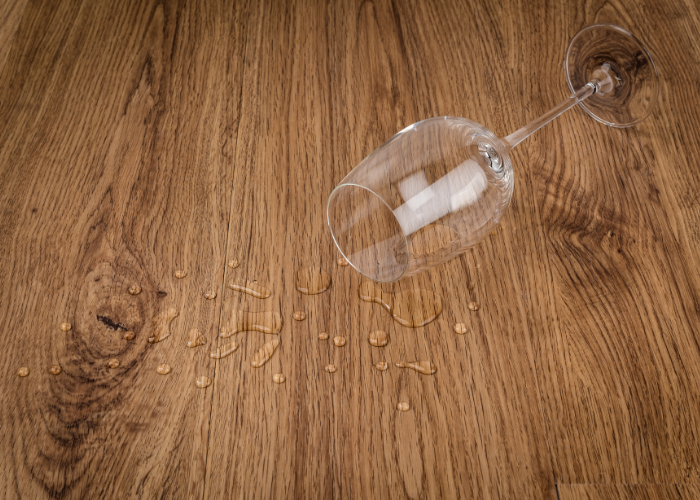
A floor has to deal with much more than furniture and foot traffic. In a Texas home, it may also have to contend with muddy shoes after a storm, wet paws coming in from the yard, spilled drinks during a family gathering, and the everyday mess that comes with an active household. For homeowners in Round Rock, choosing flooring is therefore not simply about finding a color or style that looks good in a showroom. It is about finding a surface that fits the way the home is actually lived in. Waterproof flooring has become an increasingly appealing option because it brings together practical performance and modern design, allowing homeowners to create attractive interiors without feeling as though every spill or splash is a flooring emergency. Today's waterproof flooring can offer the visual appeal of materials such as natural wood while providing characteristics that make it particularly useful in kitchens, bathrooms, laundry rooms, entryways, and other areas where moisture is part of everyday life.
Texas Homes Have Their Own Flooring Challenges
Living in Texas often means accepting that outdoor conditions can change quickly, and those conditions inevitably find their way indoors. A family may spend the morning enjoying a sunny backyard and then find themselves dealing with rain later in the day, while children, pets, guests, and everyday errands can all contribute to moisture and dirt being tracked through the home. Kitchens and bathrooms create their own challenges because spills, splashes, and humidity are simply part of how those rooms function. This does not mean homeowners need to sacrifice style for practicality. Instead, it means flooring should be selected with the realities of the space in mind. Waterproof flooring can be particularly useful because it is designed to provide greater protection in situations where exposure to moisture is a concern, making it easier to enjoy the room without constantly worrying about every small accident.
Waterproof Does Not Have to Mean Industrial
There was a time when homeowners might have associated moisture-resistant flooring with purely functional spaces and limited design choices. Modern waterproof flooring has changed that perception considerably. Homeowners can now find options inspired by natural hardwood, stone, and other sophisticated materials, with a wide variety of colors, patterns, plank formats, and surface appearances. That means a homeowner can create a warm, traditional interior, a sleek contemporary space, or a more relaxed Texas-inspired design while still prioritizing practical performance. The visual side of the flooring matters because floors cover such a large portion of a room, but performance matters just as much once the home is being lived in. The best flooring choice is one that allows both elements to work together rather than forcing homeowners to choose between an attractive floor and a practical one.
The Kitchen Is Where Waterproof Flooring Earns Its Keep
Few rooms put flooring through as much daily activity as the kitchen. Groceries come in, meals are prepared, dishes are carried, chairs move across the floor, and spills happen. Even careful homeowners cannot completely eliminate the possibility of water, sauces, drinks, or other liquids reaching the floor. That is why waterproof flooring can make so much sense in a kitchen. Instead of selecting a material based solely on appearance and then worrying about every spill, homeowners can choose an option that is better suited to the conditions of an active cooking and entertaining space. Waterproof flooring can also make it easier to create a continuous visual style between the kitchen and adjoining areas, particularly in open-plan homes where the floor is an important part of the overall design.
Bathrooms Need More Than a Pretty Floor
The bathroom presents an even more obvious moisture challenge, but that does not mean the flooring has to look purely utilitarian. A well-designed bathroom can use flooring as one of its strongest visual elements, particularly when the material coordinates with the shower, vanity, walls, and other finishes. Waterproof flooring gives homeowners the opportunity to combine the aesthetic they want with flooring characteristics suited to an environment where water is expected. Depending on the overall design, homeowners can create the appearance of natural wood, stone-inspired surfaces, or other contemporary looks without making the room feel disconnected from the rest of the house. Tile also remains an important option in bathrooms, especially when homeowners want to incorporate patterns, textures, or a more architectural design element.
Entryways Are the First Test
The entryway is one of the first places where flooring encounters the outside world, making it an important area to consider when planning a home's flooring. Shoes can carry moisture, dirt, and debris indoors, particularly after rain or outdoor activities. An attractive but highly vulnerable flooring material may require more attention in this area, while a practical waterproof option can provide a more forgiving surface. The entryway also establishes the visual tone for the rest of the home, so functionality should not come at the expense of design. A carefully selected waterproof floor can create a strong first impression while providing a practical transition between the outdoors and the living spaces beyond.
Waterproof Flooring Can Work Beyond Wet Rooms
One of the most useful ways to think about waterproof flooring is not simply as a solution for bathrooms and kitchens but as an option for areas throughout the home where homeowners want additional peace of mind. Family rooms, dining spaces, laundry areas, hallways, mudrooms, and other active areas can all experience the occasional spill or moisture exposure. A flooring material that combines attractive design with practical characteristics can therefore help simplify the overall flooring plan. This is especially useful for busy households that do not want to treat every room as though it were a formal showroom. Flooring should support everyday life, and choosing a material that suits the demands of the household can make the home easier to enjoy.
Wood Looks Without the Wood Worries
Many homeowners love the appearance of hardwood because natural wood brings warmth, character, and a timeless quality to an interior. However, certain rooms may make homeowners hesitate to use traditional wood flooring because of concerns about moisture. Waterproof flooring can provide another way to achieve a wood-inspired aesthetic in areas where homeowners want a more moisture-conscious option. Modern designs can reproduce the variation, tones, and visual rhythm associated with wood while offering a different performance profile. This creates more flexibility when designing an entire home because the homeowner does not necessarily have to abandon a preferred aesthetic simply because one room has different environmental requirements.
Tile Brings a Different Kind of Waterproof Design
Waterproof flooring and tile can serve complementary roles in a home. Tile offers homeowners an enormous design palette, from understated neutral surfaces to bold patterns and natural stone-inspired appearances. In bathrooms, kitchens, entryways, and other areas where moisture is a consideration, tile can become both a functional surface and a major design feature. The right tile can establish the personality of an entire room, whether the goal is clean and contemporary, warm and traditional, or visually dramatic. This makes tile particularly interesting for homeowners who want their flooring to do more than blend into the background. Instead, the floor can become part of the architectural story of the space.
Choosing Flooring Room by Room
A successful flooring project does not necessarily require the same material throughout the entire home. Different rooms have different demands, and those differences can guide the selection process. A homeowner may want the warmth of a wood-inspired waterproof floor in one area, the design versatility of tile in another, and a completely different flooring solution elsewhere. What matters is creating a plan that feels cohesive while allowing each room to use the material that makes the most sense. Colors, textures, and transitions can be coordinated so that the home still feels connected even when different flooring products are used. This approach gives homeowners more freedom than trying to force a single material to solve every flooring challenge.
Think About How You Actually Live
Flooring decisions become easier when homeowners stop designing for an imaginary version of their household and start thinking about everyday routines. Do people frequently come in from the backyard? Are there children who spend time playing throughout the house? Do pets move between indoors and outdoors? Is the kitchen a major gathering place? Does the laundry room see constant activity? Are guests regularly entertained? Questions like these help identify where moisture resistance and durability should be priorities. Once those practical requirements are established, design becomes much easier because the available options can be narrowed down according to what the room genuinely needs.
The Right Installation Matters Too
Choosing a high-quality flooring product is only part of the project. The condition of the subfloor, room measurements, transitions, layout, preparation, and installation technique can all influence the finished result. Even a beautiful waterproof flooring product can look disappointing if it has been poorly installed or if important site conditions were overlooked. Professional installation helps ensure that the flooring is properly prepared and fitted to the space while also addressing transitions between rooms and materials. This is particularly important when combining waterproof flooring with tile or other flooring products because the transitions need to look intentional rather than like an afterthought.
Build a Floor That Can Keep Up With Your Home
A home should not require its residents to constantly worry about the floor beneath their feet. The purpose of choosing practical flooring is to create a surface that works with everyday life rather than making ordinary activities feel risky. Waterproof flooring can be a particularly valuable option for Round Rock homeowners who want attractive interiors capable of handling the occasional spill, splash, wet shoe, or active household moment. When combined with thoughtfully selected tile and other flooring materials, it becomes possible to create spaces that look polished without becoming overly precious. The floor should support the way the home is used, whether that means a busy kitchen, a relaxing bathroom, an active entryway, or a family room where everyone gathers.
If you're exploring waterproof flooring or tile for your home in Round Rock, TX, Bellus Flooring can help you compare styles, materials, and flooring options suited to the different spaces throughout your home. Rather than choosing a floor based only on how it looks in a showroom, you can consider how it will perform, how it will coordinate with your existing design, and how well it fits the way your household actually lives.


